Global Japanese Sushi Rolls
Highlighted under: Travel Kitchen
I love making sushi rolls because they bring a sense of creativity and adventure to the dinner table. Each roll is a canvas where my imagination can run wild, allowing me to experiment with flavors and textures. The joy of rolling my own sushi at home is unmatched, especially when I can share it with friends and family. In this recipe, I'm thrilled to combine traditional ingredients with some global twists, resulting in delicious sushi rolls that are sure to impress any crowd.
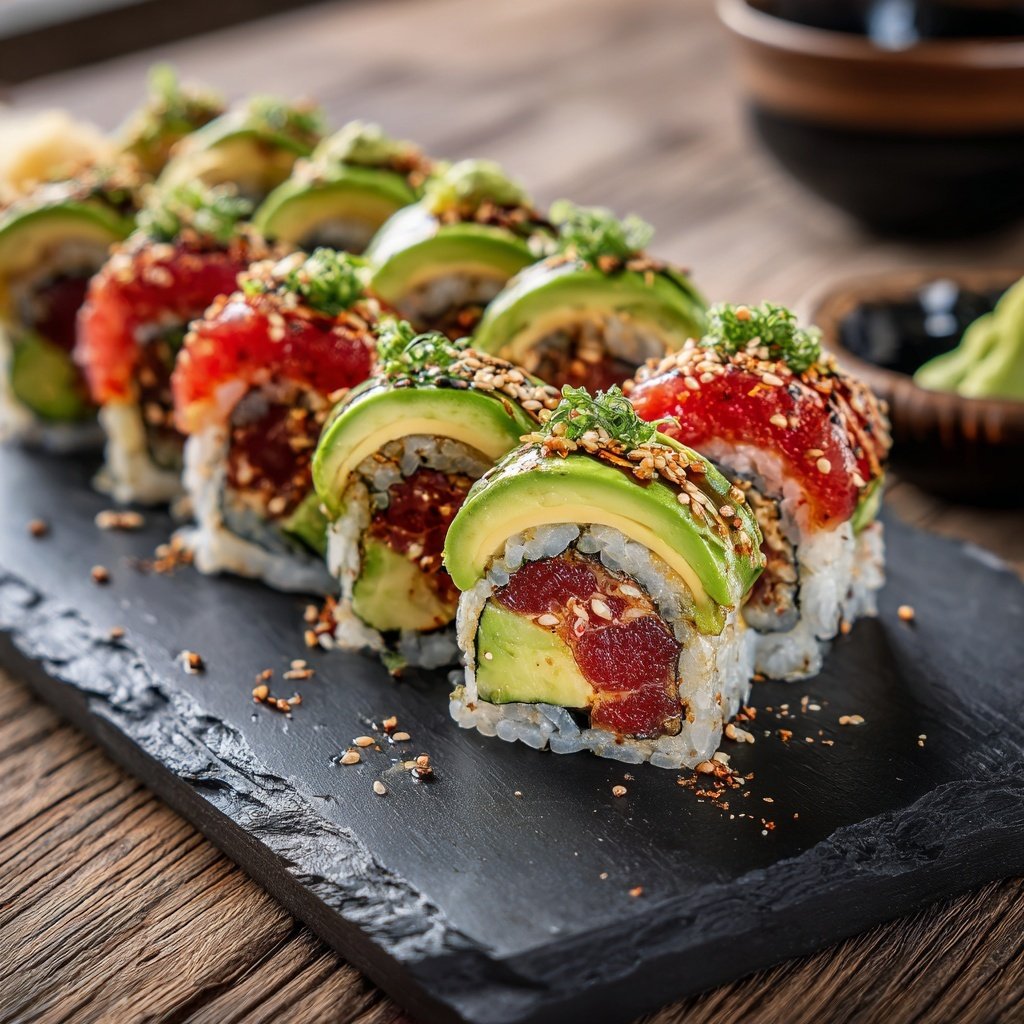
One evening, while exploring different sushi variations, I decided to blend traditional Japanese sushi with global ingredients. This led to a delightful fusion that turned out even better than I had imagined. The crunchy veggies and savory sauces perfectly complemented the sushi rice, making each bite a flavorful adventure.
What I learned through this process is that the quality of the ingredients, especially the fish and vegetables, plays a crucial role in achieving a delicious result. Using fresh ingredients makes a significant difference, and don't hesitate to customize the fillings based on what's available in your pantry.
Why You Will Love This Recipe
- Creative flavors that spark joy in every bite
- Perfect balance of fresh ingredients and savory fillings
- A fun activity that brings friends and family together
Essential Techniques for Rolling Sushi
Rolling sushi perfectly can be a challenge, but with a little practice, anyone can master the technique. Make sure to use a bamboo mat to give your rolls a firm shape. Apply even pressure as you roll, but don’t squeeze too hard or the ingredients may squish out. If you're new to rolling sushi, it’s helpful to start with a smaller amount of filling—this makes it easier to manage and keep everything intact.
Another key aspect to a successful roll is the placement of your fillings. Layer them neatly at the bottom edge of the rice. This helps ensure that each slice reveals a beautiful cross-section. If using softer ingredients like avocado, cut them into uniform sizes so they blend well while rolling. Trust me, achieving that beautiful slice can significantly elevate your serving presentation!
Ingredient Insights: Sushi Rice and Nori
The type of rice you choose is critical for creating authentic sushi rolls. Sushi rice is short-grain and has a high starch content, which makes it sticky and perfect for holding your rolls together. Rinse the rice thoroughly until the water runs clear; this removes excess starch and prevents your rice from becoming gummy. When cooking, keep a close eye on the water-to-rice ratio—too little liquid can result in undercooked rice, while too much creates a mushy texture.
Nori, the seaweed used to wrap sushi, should be fresh and crispy. When handling nori, keep it covered until you’re ready to use it, as exposure to air makes it lose its texture. If you want a more intense flavor, lightly toast the nori over an open flame for a few seconds before assembling your rolls. This small step can enhance the umami flavor and provide a delightful crunch.
Serving Suggestions and Variations
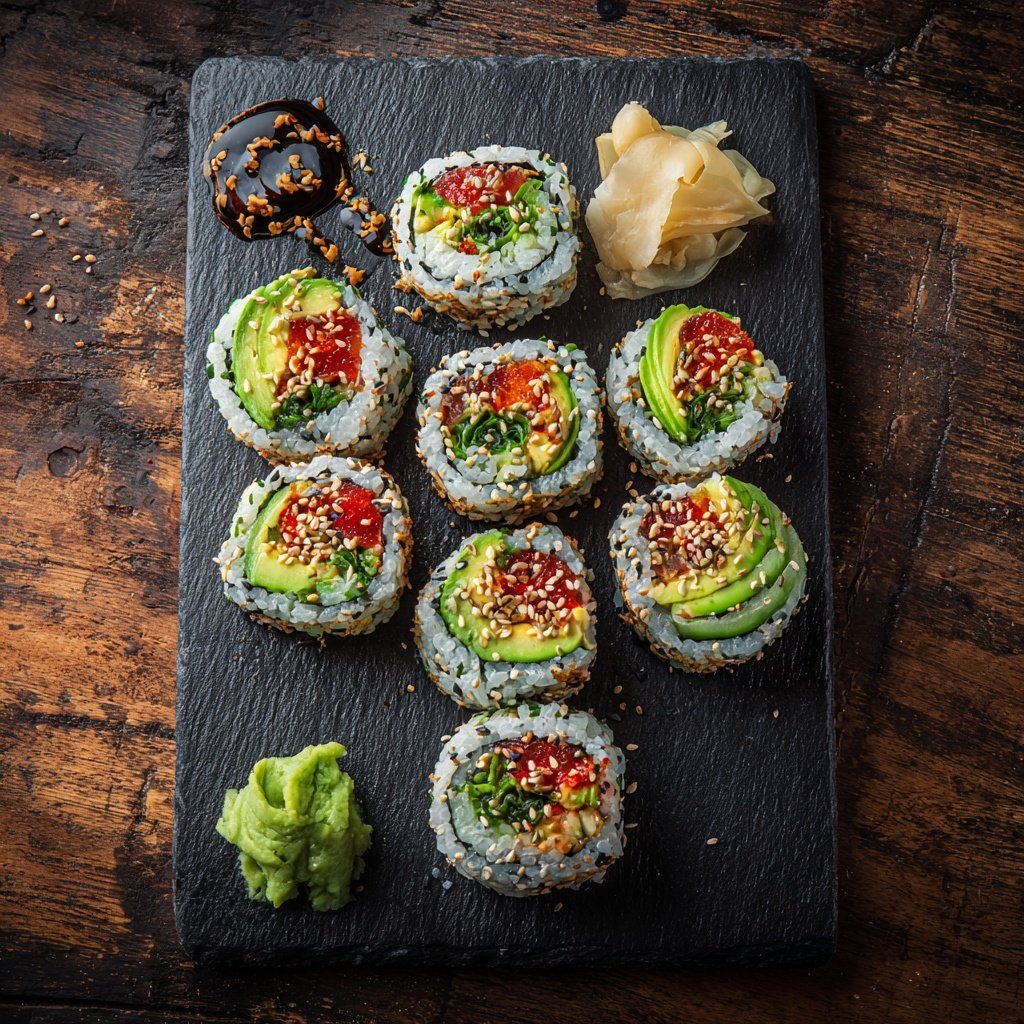
When it comes to serving your sushi rolls, presentation is key. Arrange your cut rolls on a platter and garnish them with sesame seeds or sliced scallions for a pop of color. Serve the soy sauce in a small dish for dipping, along with a side of pickled ginger and wasabi to enhance the flavor profile of each bite. A beautiful presentation not only excites the palate but also sets the stage for an inviting meal.
For those looking to mix things up, consider swapping out ingredients. Try substituting the fresh tuna with cooked shrimp or crab for a different flavor. Additionally, incorporating colorful vegetables like bell peppers or radishes can add vibrancy. You can even create a vegetarian version by using marinated tofu or edamame instead of fish. By experimenting with fillings, you can tailor each roll to fit your guests’ or family’s preferences!
Ingredients
Gather these ingredients to start making delicious sushi rolls:
Sushi Ingredients
- 2 cups sushi rice
- 3 cups water
- 1/4 cup rice vinegar
- 1 tablespoon sugar
- 1 teaspoon salt
- 4 sheets nori seaweed
- 1 cucumber, julienned
- 1 avocado, sliced
- 1/2 pound fresh tuna, sliced into strips
- Soy sauce, for serving
- Pickled ginger, for serving
- Wasabi, for serving
Feel free to customize the ingredients based on your preferences!
Instructions
Follow these steps to roll your sushi:
Prepare the Sushi Rice
Rinse the sushi rice under cold water until the water runs clear. Combine the rinsed rice and water in a rice cooker and cook according to the manufacturer's instructions. Once cooked, let it cool slightly and then mix in the rice vinegar, sugar, and salt.
Make the Rolls
Lay a sheet of nori on a bamboo sushi mat. With wet hands, spread a thin layer of sushi rice over the nori, leaving about an inch of space at the top. Place a line of cucumber, avocado, and tuna along the bottom edge of the rice. Using the mat, carefully roll the sushi away from you, pressing it gently to keep it compact.
Slice and Serve
Once rolled, use a sharp knife to cut the sushi roll into bite-sized pieces. Clean the knife with a damp cloth between cuts to ensure clean slices. Serve with soy sauce, pickled ginger, and wasabi on the side.
Your sushi rolls are now ready to be enjoyed!
Pro Tips
- For a unique twist, try adding mango or cream cheese to your rolls. Additionally, make sure your knife is sharp and wet for clean cuts.
Storage Tips for Leftovers
If you find yourself with leftover sushi, store it properly to maintain its freshness. Wrap each roll tightly in plastic wrap to prevent the rice from drying out. Place it in an airtight container and refrigerate for up to 24 hours. However, the texture might change slightly, so it’s best enjoyed fresh. If you notice any moisture in the container, adding a paper towel can help absorb excess humidity.
Reheating sushi rolls isn’t generally recommended, especially rolls that contain fresh seafood. Instead, enjoy the leftovers cold or at room temperature. If you do want to warm it up slightly, place it in a microwave for just a few seconds; however, keep a close eye, as overheating can lead to a rubbery texture.
Scaling Your Recipe
If you're planning a larger gathering, scaling up this sushi recipe is straightforward. For every additional roll you want to make, simply multiply the ingredient quantities while keeping the same ratios. Remember, one cup of sushi rice typically makes about 3-4 rolls, depending on how thick you layer the ingredients. This makes it easy to calculate how much rice to prepare based on the number of guests.
When making larger quantities, consider enlisting help from friends or family. Rolling sushi can be a delightful group activity! Assign different roles—such as someone preparing the fillings, another cooking the rice, and others focused on rolling, which can make the process efficient and fun while ensuring that everyone contributes to the meal.
Questions About Recipes
→ Can I use another type of rice?
While sushi rice is recommended for the right texture, you can use short-grain rice as an alternative.
→ How can I make vegetarian sushi rolls?
Simply swap the fish for extra vegetables or tofu, and you can still enjoy delicious sushi!
→ Where can I buy nori?
Nori can typically be found in the Asian section of most grocery stores or in specialty Asian markets.
→ How do I store leftover sushi?
It's best to consume sushi fresh, but if you have leftovers, store them in an airtight container in the fridge for a day. However, the rice may harden.
Global Japanese Sushi Rolls
Created by: The Chefrosasrecipes Team
Recipe Type: Travel Kitchen
Skill Level: Intermediate
Final Quantity: 4 servings
What You'll Need
Sushi Ingredients
- 2 cups sushi rice
- 3 cups water
- 1/4 cup rice vinegar
- 1 tablespoon sugar
- 1 teaspoon salt
- 4 sheets nori seaweed
- 1 cucumber, julienned
- 1 avocado, sliced
- 1/2 pound fresh tuna, sliced into strips
- Soy sauce, for serving
- Pickled ginger, for serving
- Wasabi, for serving
How-To Steps
Rinse the sushi rice under cold water until the water runs clear. Combine the rinsed rice and water in a rice cooker and cook according to the manufacturer's instructions. Once cooked, let it cool slightly and then mix in the rice vinegar, sugar, and salt.
Lay a sheet of nori on a bamboo sushi mat. With wet hands, spread a thin layer of sushi rice over the nori, leaving about an inch of space at the top. Place a line of cucumber, avocado, and tuna along the bottom edge of the rice. Using the mat, carefully roll the sushi away from you, pressing it gently to keep it compact.
Once rolled, use a sharp knife to cut the sushi roll into bite-sized pieces. Clean the knife with a damp cloth between cuts to ensure clean slices. Serve with soy sauce, pickled ginger, and wasabi on the side.
Extra Tips
- For a unique twist, try adding mango or cream cheese to your rolls. Additionally, make sure your knife is sharp and wet for clean cuts.
Nutritional Breakdown (Per Serving)
- Calories: 350 kcal
- Total Fat: 5g
- Saturated Fat: 1g
- Cholesterol: 25mg
- Sodium: 400mg
- Total Carbohydrates: 64g
- Dietary Fiber: 3g
- Sugars: 2g
- Protein: 10g